Two rays, two different jobs
UVB is the shorter-wavelength ray that burns skin and mostly affects the epidermis — only around 10% of it reaches the ground, but it’s what SPF measures. UVA makes up the other roughly 90% of UV that reaches us, barely gets filtered by the atmosphere, and penetrates all the way to the dermis — it’s the ray behind premature wrinkles, dark spots, and a meaningful share of skin cancer risk. A sunscreen that only manages UVB is only doing half the job.
SPF is not a multiplier
SPF30 does not block twice as much UVB as SPF15 — the relationship isn’t linear. It’s easier to read SPF as “how much UVB still gets through”: SPF30 lets through about 3% of UVB, not 0%. Given Thailand’s near-equatorial sun and the general trend toward higher UV exposure, SPF50 is the sensible daily default rather than an overcautious one. Most regulators, including Thailand’s, cap the label at “SPF50+” even when in-house lab testing measures higher — it’s a labelling ceiling, not a formulation ceiling.
PA is Asia’s answer to UVA protection
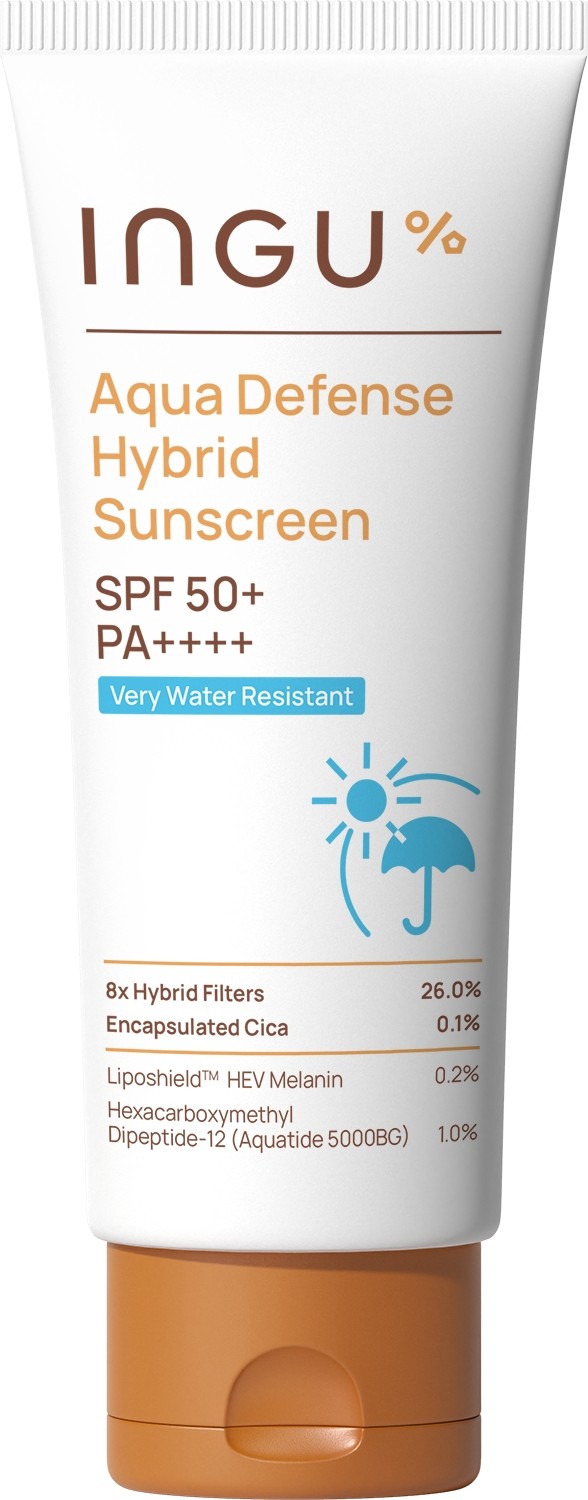
Where SPF measures UVB, PA (Protection Grade of UVA) measures UVA protection on a plus-sign scale — PA++++ is currently the top rating and the sensible standard for Southeast Asian sun exposure. Europe expresses the same underlying protection as a PPD rating, and the US uses “Broad Spectrum” labelling instead — different systems, same idea.
Why some very light, serum-like SPF50 formulas exist
Sunscreen claims can be verified two ways: in vitro (applied to a lab plate, cheaper, and what Thai regulation requires) or in vivo (tested on real human skin under a UV lamp until it burns — far more expensive, and required by the US, EU, Korea, Japan, China and Australia). Both are legitimate testing methods, but it’s part of why some sunscreens can carry a high SPF/PA claim on a very lightweight, low-filter-feeling texture — worth knowing if texture is how you’ve been judging a sunscreen’s strength.
Mineral, chemical, or both
Mineral filters — Zinc Oxide and Titanium Dioxide — sit on top of skin and reflect UV away, like armour. Chemical filters absorb UV energy and release it as heat; “absorb” describes what happens to the UV ray, not the filter entering your bloodstream. Newer-generation chemical filters (Tinosorb S, Tinosorb M, Mexoryl SX/XL) tend to be more photostable and broader-spectrum than older ones (Avobenzone, Octinoxate, Oxybenzone), which is why formulas built on them usually feel lighter and less greasy for the same protection. Hybrid formulas blend both filter types, aiming for the reflective safety profile of mineral with the cosmetically elegant feel of chemical.
The amount matters more than the number
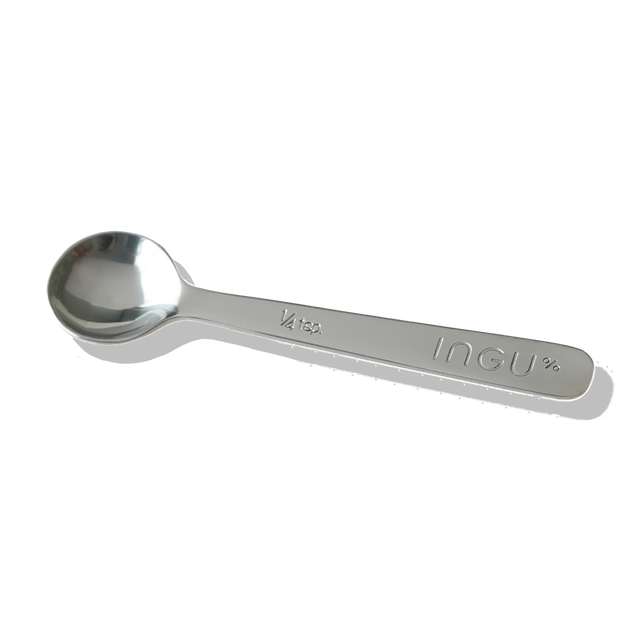
The SPF/PA on the label is only accurate at a specific amount: roughly ¼ teaspoon for the whole face — about two finger-lengths of product. Skin isn’t flat like paper; think of it more like an uneven road that needs enough product to fill every pothole, not a light film across the high points. Spray formats need a full 60 seconds of continuous application to deposit that amount (a large share is lost to air); stick formats need at least 16, ideally 64, passes over the face. Tinted sunscreen, BB cream and powder SPF face the same amount problem — realistically nobody applies ¼ teaspoon of powder — so treat those as midday touch-ups over a proper cream sunscreen, not a replacement for it.
Myths worth retiring
- “I’m in the shade, so I’m covered” — about 60% of UV exposure is indirect, reflected off clouds, pavement and walls; an umbrella alone blocks only around 40% of exposure.
- “I’m indoors, so I don’t need it” — glass blocks UVB but not UVA, so a window seat still exposes skin to the ray most linked to aging.
- “Antioxidant supplements can replace sunscreen” — antioxidants (green tea, centella, vitamin C) neutralise some of the free-radical damage UV causes, acting as a second line of defence behind SPF/PA, not a substitute for it.
- “Screen blue light ages skin the way sunlight does” — only sunlight’s blue light carries meaningful energy for skin; matching the blue-light exposure of roughly 1.5–2.5 hours in direct sun would take many thousands of hours facing a screen. Wear sunscreen daily regardless — just not because of your laptop.