The pyramid, not the wishlist
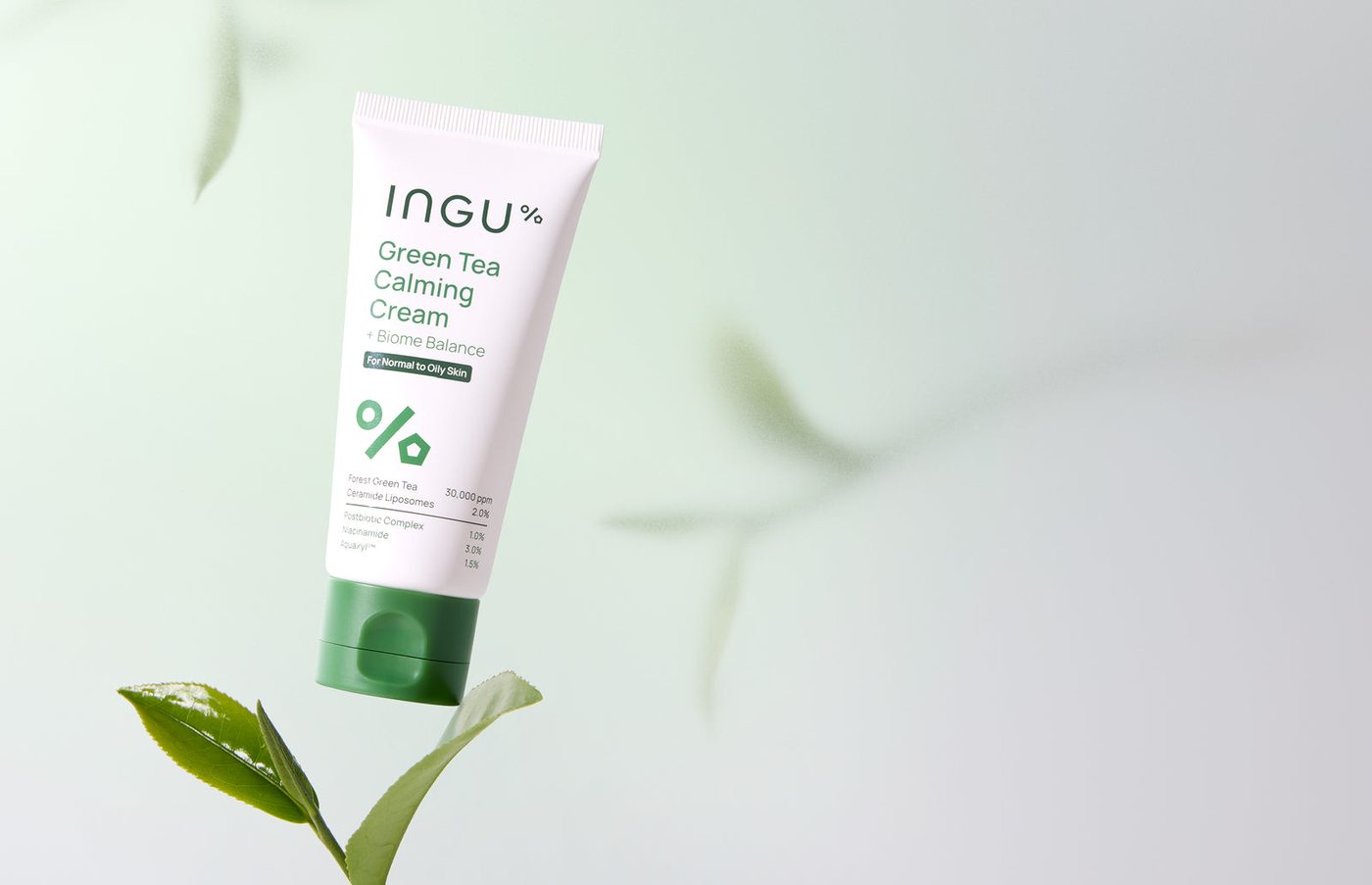
It’s tempting to build a routine around the exciting part — a new acid, a new serum, whatever’s trending. But treatments only work on top of a stable foundation. Skip the base and stack actives instead, and the pyramid collapses: barrier damage, irritation, and results that don’t hold. Cleanser, moisturiser and sunscreen are the base for a reason — get those right before adding anything else.
Cleansing, matched to your day
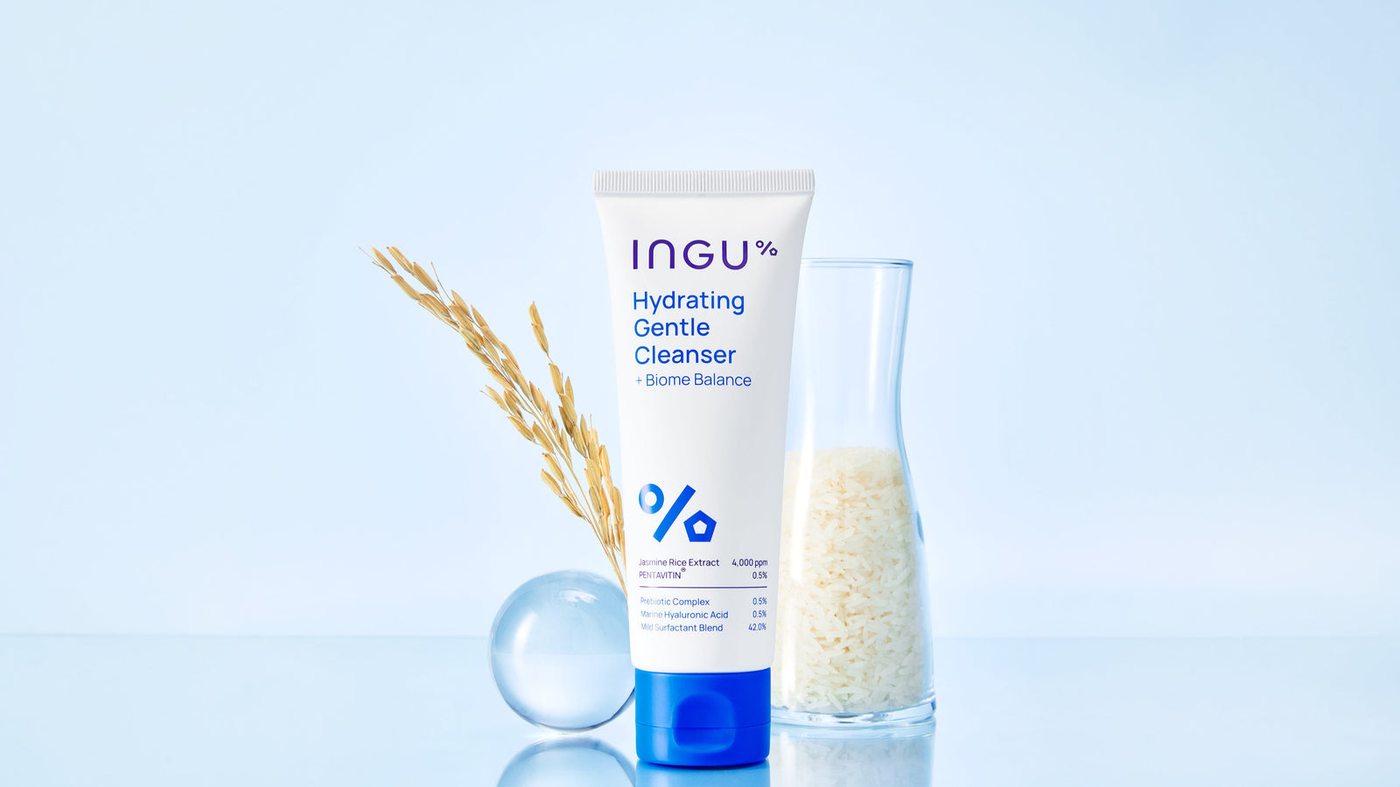
A single water-based cleanse is enough on an ordinary day. Reach for a double cleanse — an oil or balm first, then a gentle foam — only on days you’ve worn makeup or a heavier, water-resistant sunscreen. Look for a cleanser formulated close to skin’s natural pH (around 5.5); the tight, “squeaky-clean” feeling older foaming cleansers leave behind isn’t a sign of a thorough clean, it’s a sign the barrier just got stripped.
Moisturiser is three ingredients wearing one label
Every moisturiser, regardless of texture, is really doing three jobs with three ingredient types — understanding the mix tells you more than the marketing copy does:
- Humectants (glycerin, hyaluronic acid, betaine) draw water into the skin from the product itself, not from the air.
- Emollients (plant oils, squalane) soften and smooth by filling in gaps between skin cells.
- Occlusives (dimethicone, petrolatum-type ingredients) seal that moisture in so it doesn’t evaporate straight back out.
A toner or serum alone, however hydrating it feels, can’t fully replace this step — without an occlusive, water still evaporates.
Sunscreen is the step doing the most long-term work
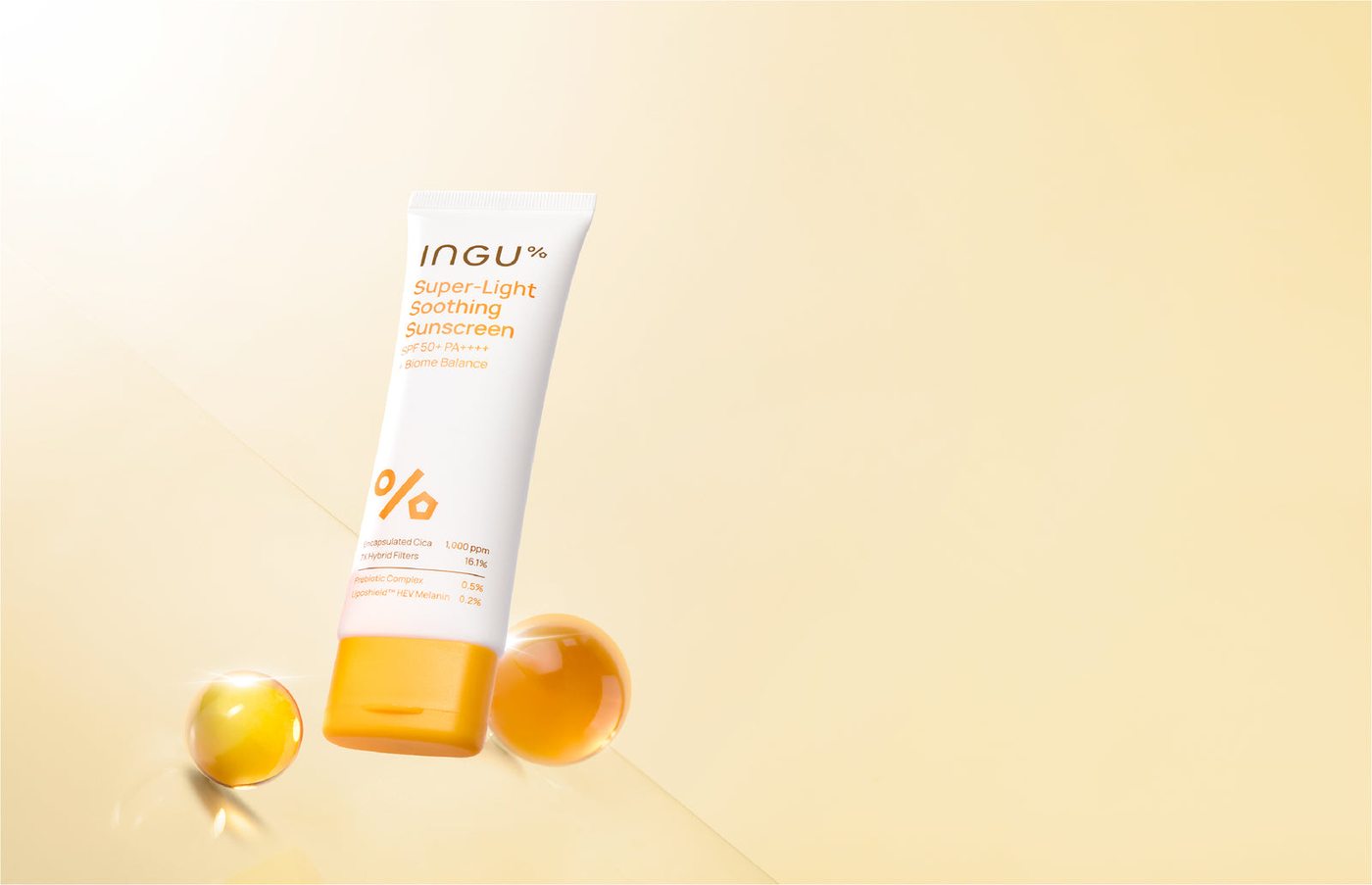
UVA (which reaches deep into the dermis and drives most visible aging) makes up about 90% of the UV that reaches the ground; UVB (the burn-causing ray) is the other roughly 10%. SPF measures UVB protection and PA measures UVA protection — for a near-equatorial climate like Thailand’s, SPF50+ PA++++ is the sensible daily default, reapplied every two to three hours. The correct face amount is about a quarter teaspoon, roughly two finger-lengths of product — most people apply far less than that.