Why rest days matter as much as active nights
Skin cycling — rotating strong actives with deliberate rest nights instead of using everything, every night — is a popular approach among dermatologists for a simple reason: it reduces the irritation that comes from stacking actives, while still giving each one room to actually work. The goal isn’t to use fewer products, it’s to use them on a schedule your barrier can keep up with.
Acne: match the ingredient to the cause
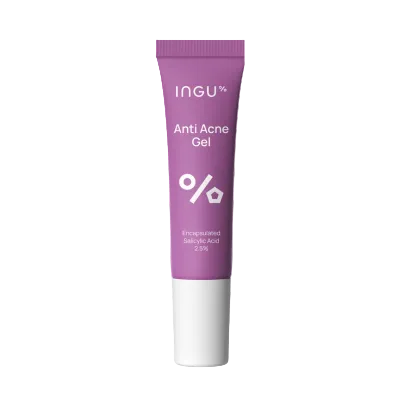
Acne has more than one root cause — excess oil, built-up dead skin, bacteria, and inflammation — which is why a single ingredient rarely solves it alone. Start with a BHA a few nights a week and build up to nightly as tolerated; layer in niacinamide morning and night; add a low-percentage retinoid at night once your skin is used to the acid. Persistent or severe acne is worth a dermatologist’s input — skincare manages mild-to-moderate cases well, but isn’t a substitute for medical treatment when it’s more than that.
Pigmentation: block the trigger, then fade the mark
Dark spots, melasma and post-acne marks all trace back to overactive melanin production, usually triggered by UV or inflammation. The routine that actually works layers four jobs: sunscreen to block the trigger, anti-inflammatory ingredients (green tea, centella) to calm the response, brightening actives (vitamin C, vitamin A, niacinamide) to interrupt pigment production and transfer, and gentle exfoliation to help pigmented cells turn over faster.
Wrinkles: play the long game
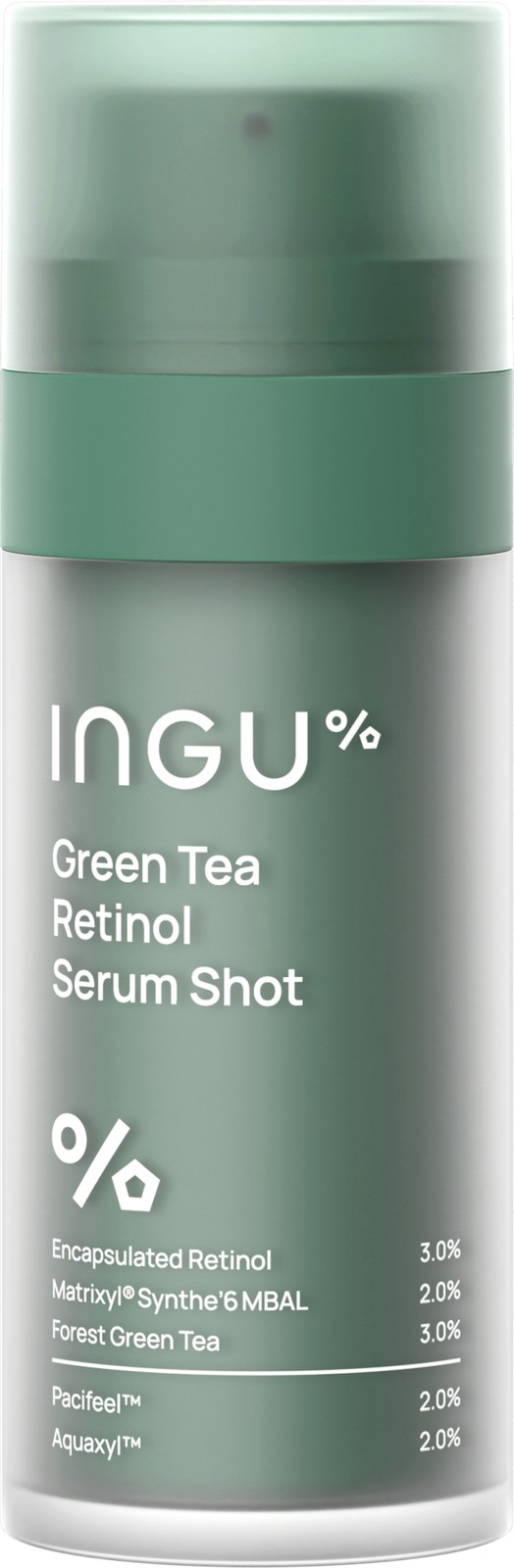
Because wrinkles start in the dermis, not the surface, they respond to a narrower set of actives — mainly vitamin A and vitamin C, both able to reach that deeper layer. Start at very low concentrations to avoid irritation and build slowly; humectants like hyaluronic acid genuinely improve surface smoothness in the meantime, but that’s a temporary plumping effect, not the same as rebuilding collagen.
A routine that grows with you
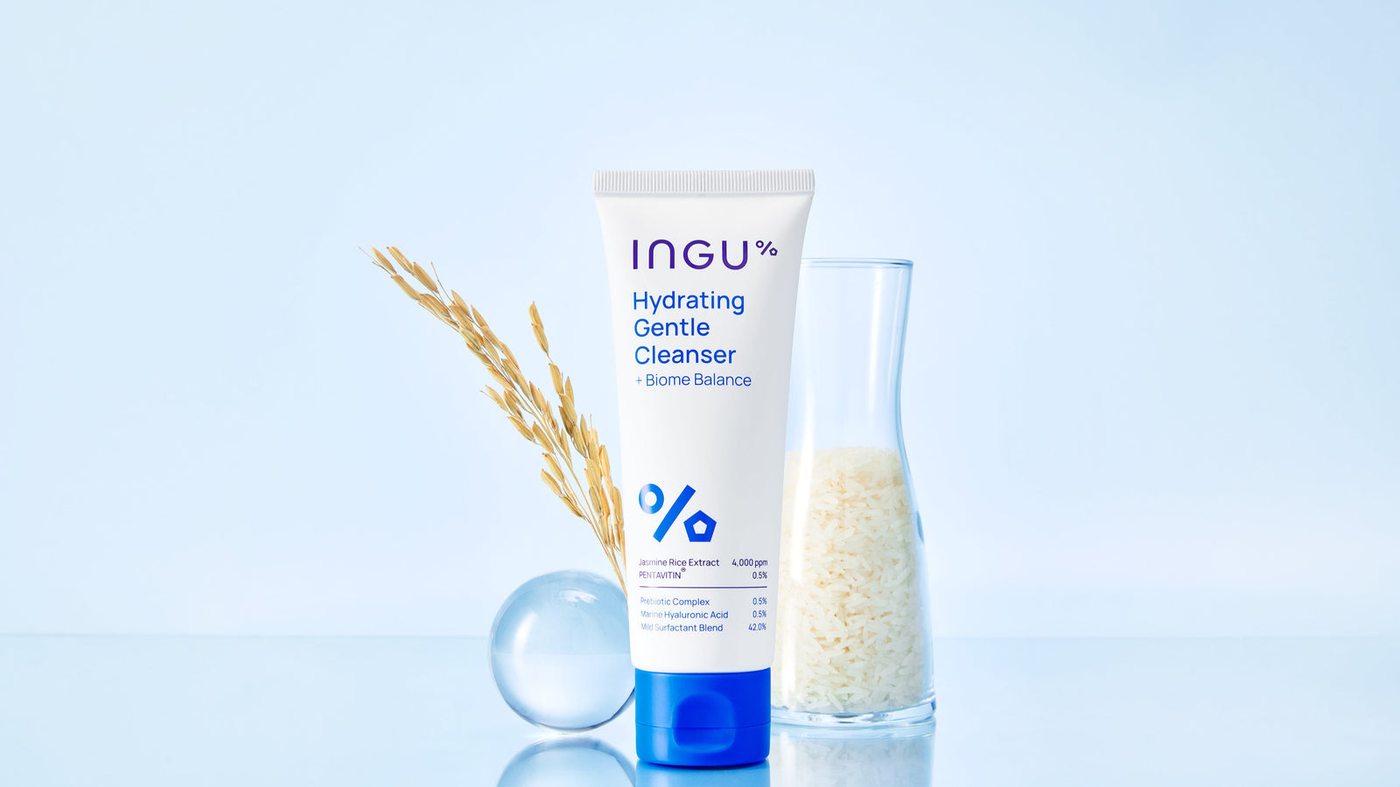
What your skin needs shifts by decade: gentle formulas and mineral sunscreen through the teenage years, when the barrier is still developing; acne-focused care through the acne-prone teens and twenties; sunscreen as the non-negotiable, cost-saving habit through your late twenties and thirties as collagen decline begins; and richer, barrier-first formulas from your forties onward, as oil production and cell turnover both slow down.