One mechanism, three triggers
Post-inflammatory hyperpigmentation (the mark left behind after a breakout), melasma, and freckles are all downstream of the same process — melanocytes overproducing melanin — set off by UV exposure, inflammation, or hormones. Melanin has a genuine protective job (shielding DNA from UV, and determining baseline skin tone), so the goal isn’t to switch it off, it’s to stop it overproducing in a specific spot.
Four jobs, matched to four ingredient groups
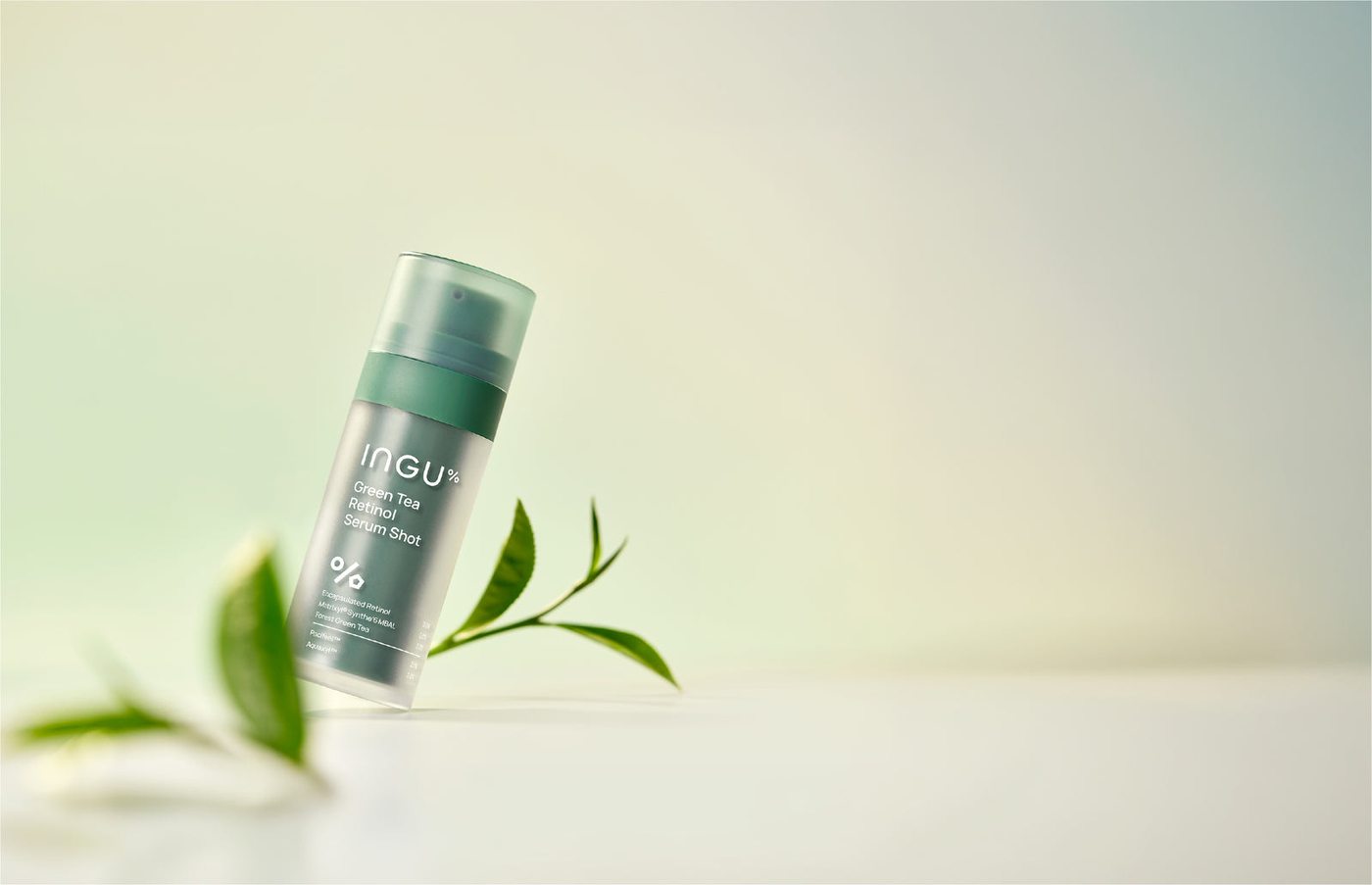
- Calm the trigger — anti-inflammatory ingredients like green tea, centella and chamomile lower the inflammatory signal that tells melanocytes to ramp up.
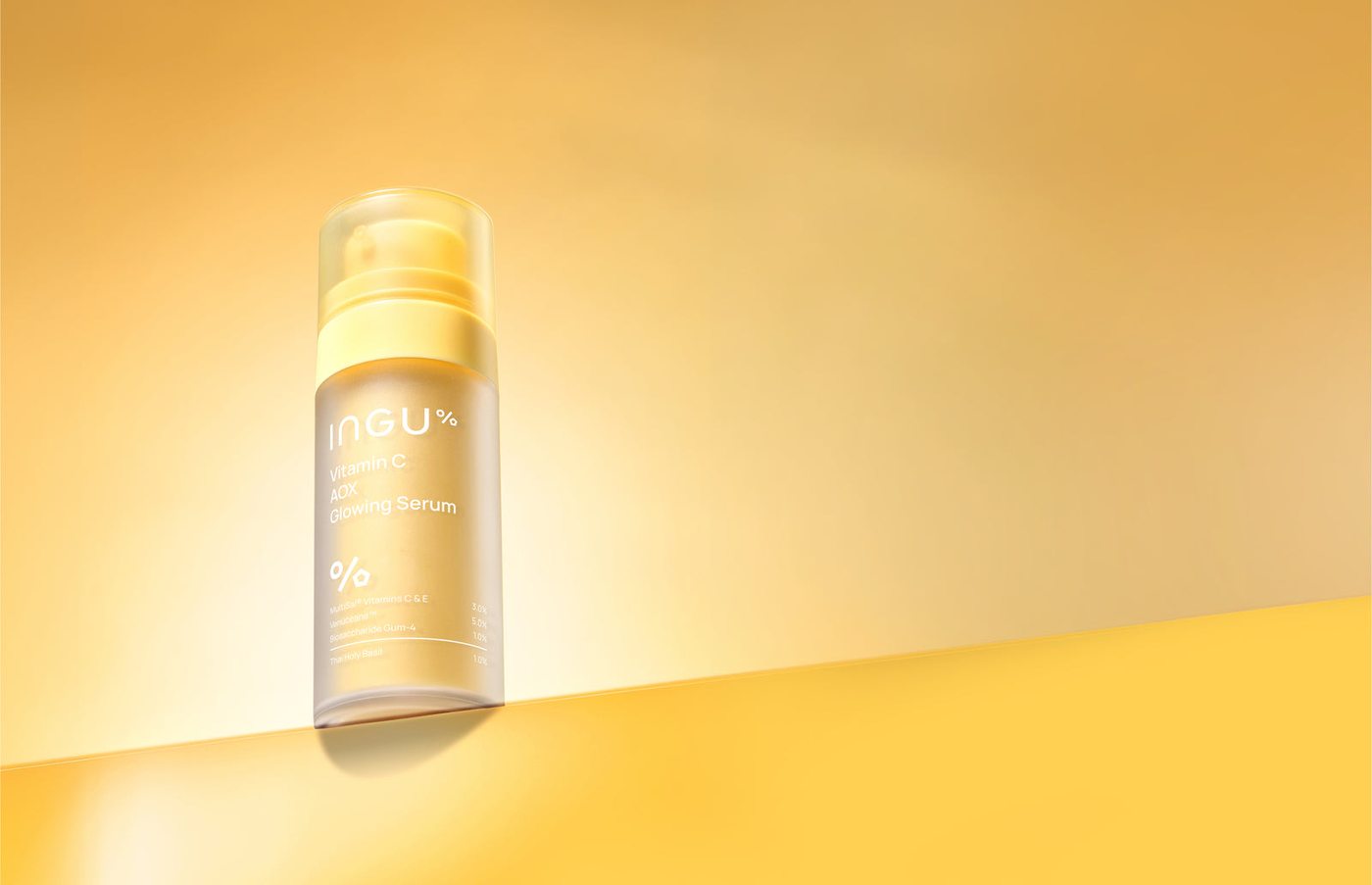
- Block production at the source — vitamin A, vitamin C, alpha arbutin, azelaic acid and tranexamic acid all interrupt the enzyme pathway (tyrosinase) that makes melanin in the first place.
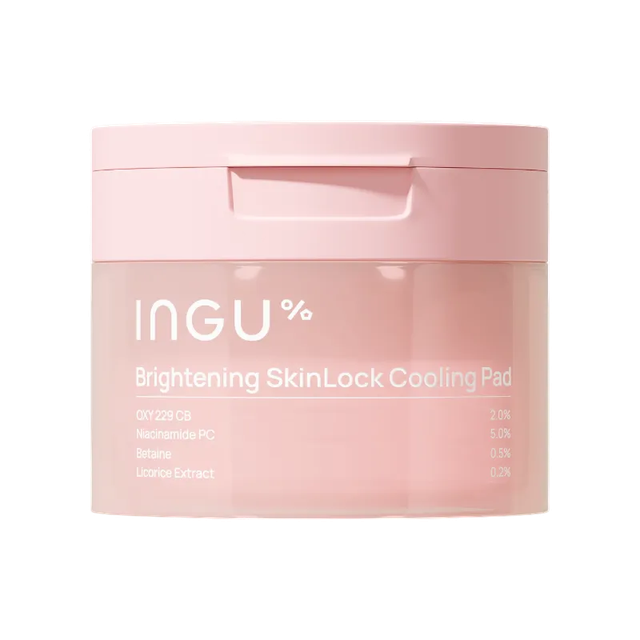
- Interrupt the delivery — niacinamide and vitamin A both reduce how efficiently pigment transfers from melanocytes into surrounding skin cells (melanosome transfer).
- Clear what’s already there — the acid family plus vitamin A speed up cell turnover, helping already-pigmented cells shed faster.
The step that undoes all four if skipped
None of the above holds up without daily sunscreen — UV is one of the three direct triggers, so treating pigmentation while skipping SPF is treating the symptom while leaving the cause running.
Building the routine gradually
Core Routine (cleanser, moisturiser, sunscreen) stays constant morning and night. Add niacinamide AM and PM as the low-irritation baseline, then layer in either an acid or vitamin A at night, building from a couple of nights a week toward nightly as tolerated — with rest nights built into the rotation the same way an acne routine would use them.