Topical, not dietary
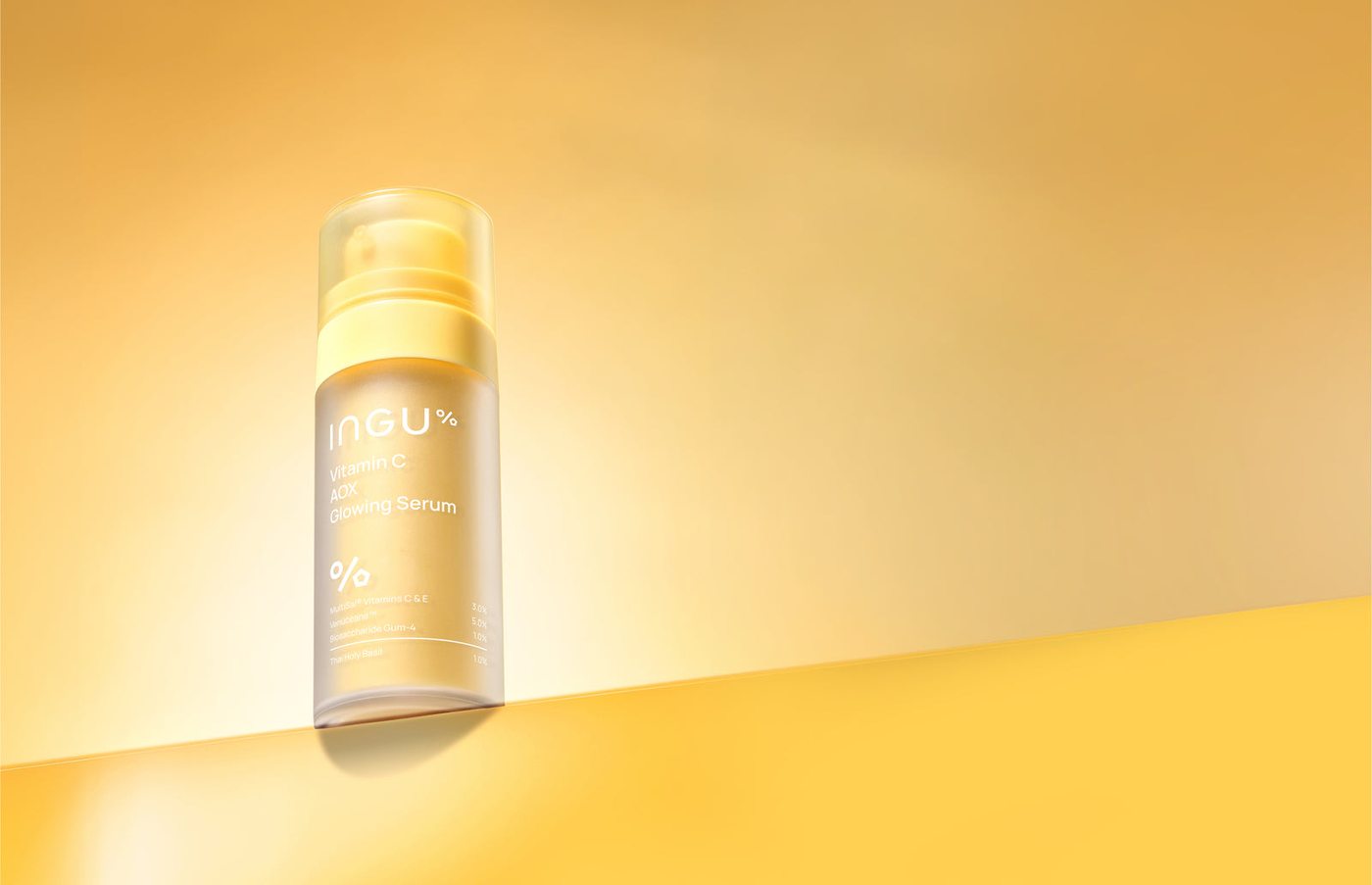
Oral vitamin C is mostly put to work supporting immune function — it doesn’t deliver the same skin effects as applying it directly. Topically, vitamin C’s three headline jobs are inhibiting melanin production (fading dark spots), supporting collagen synthesis (softening fine lines), and acting as an antioxidant against UV-driven free-radical damage.
Active form vs. derivative
Ascorbic acid is the active form — most potent, works immediately, and rated highest across antioxidant power, collagen stimulation and dark-spot fading. It’s also unstable in light and air, and needs an acidic formula to work, which is exactly what can make it irritating for sensitive skin. Derivatives — ethyl ascorbic acid, ascorbyl glucoside, sodium ascorbyl phosphate and several others — need to convert into ascorbic acid inside skin before they’re active, trading some potency for far better shelf stability and no acidic-pH requirement. Neither is objectively “better” — it depends on what your skin tolerates.
If straight ascorbic acid stings
Start with a derivative, or a formula that blends a derivative with a smaller amount of ascorbic acid — you get meaningful efficacy with a lower irritation floor than a high-percentage ascorbic-acid-only serum.
Morning vitamin C, night-time vitamin A
Vitamin C works best as an AM antioxidant layer under sunscreen. Layering it directly with vitamin A raises irritation risk, since ascorbic acid wants an acidic pH and most retinoids don’t — splitting them AM/PM sidesteps the conflict entirely and suits vitamin A’s own preference for staying out of UV exposure.
Niacinamide: a team player, not a headliner
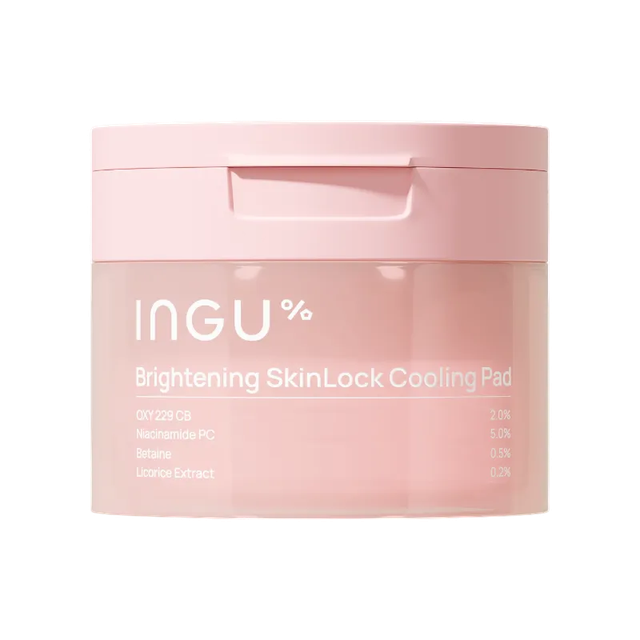
Niacinamide’s effect genuinely scales with concentration: roughly 1–2% for oil control, 3–5% for tone and pigmentation, 4–5% for the visible softening of fine lines. It’s formulated to support whichever active is doing the primary job in a product, rather than to be that primary job itself. And more isn’t automatically better — there’s no solid research showing concentrations above 5% outperform a well-formulated 5%; a “20% Niacinamide” claim is a bigger irritation risk for no proven extra benefit.