Treatments are optional — until you need one
Treatments earn their place on top of the Core Routine pyramid: they’re for a specific, named concern, not a default add-on. Pick the active family that matches the problem you actually have, rather than layering several at once.
The acid family, by job, not by hype
- AHA (glycolic, lactic, mandelic acid): water-soluble, works on the skin’s surface — best for texture and overall brightness. Glycolic acid has the smallest molecule and penetrates furthest; mandelic acid has the largest and is the gentlest starting point for sensitive skin.
- BHA (salicylic acid): oil-soluble, so it travels into oil-filled pores — the better-matched tool for congestion, blackheads and acne, typically used at 0.5–2%.
- PHA: a gentler AHA cousin with a larger molecule that stays on the surface — slower results, but a good entry point for reactive skin.
- LHA: sometimes described as an “upgraded BHA” — similarly oil-soluble, but releases more slowly for a gentler, longer-lasting effect.
The retinoid ladder
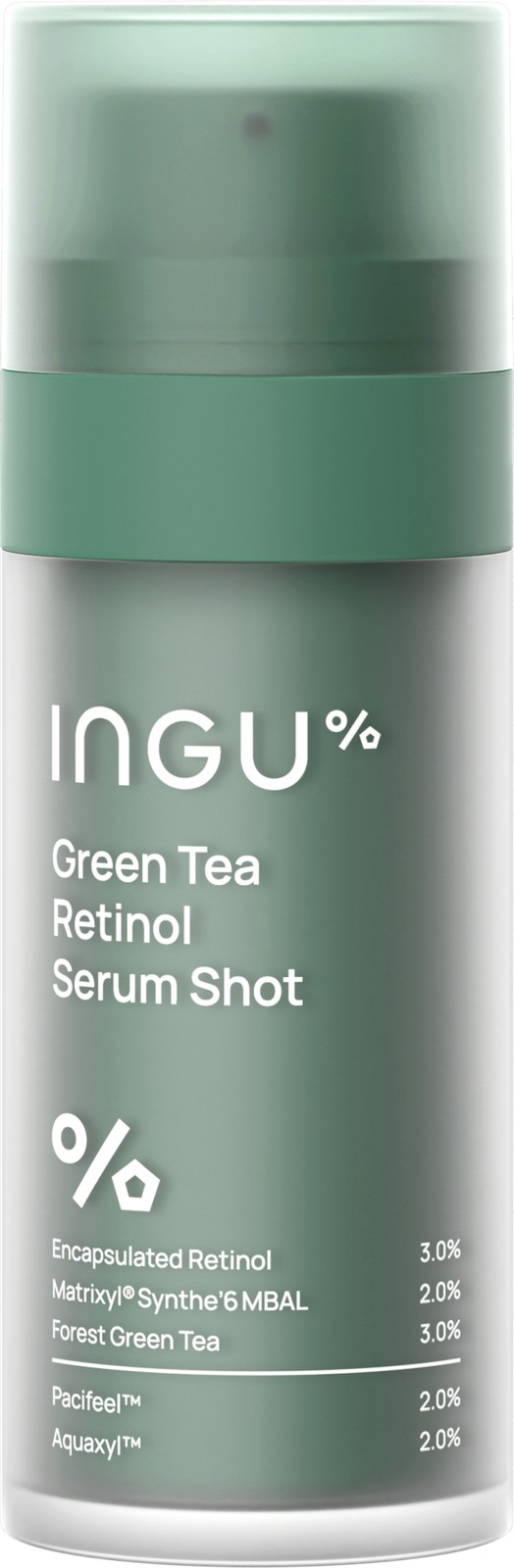
Vitamin A ingredients sit on a potency ladder: prescription tretinoin works fastest and is most irritating; retinol — needing two conversion steps inside skin — sits in the middle and has the longest track record of research in over-the-counter products; retinyl esters are gentlest but least proven. Start low, two to three nights a week, and try the “sandwich method” — moisturiser, a small amount of retinol, then moisturiser again — to cut irritation while you build tolerance. Retinoids react to UV sunlight specifically, not indoor lightbulbs, so there’s no need to avoid every light source after applying — just wear SPF the next morning, as always.
Vitamin C, read past the marketing
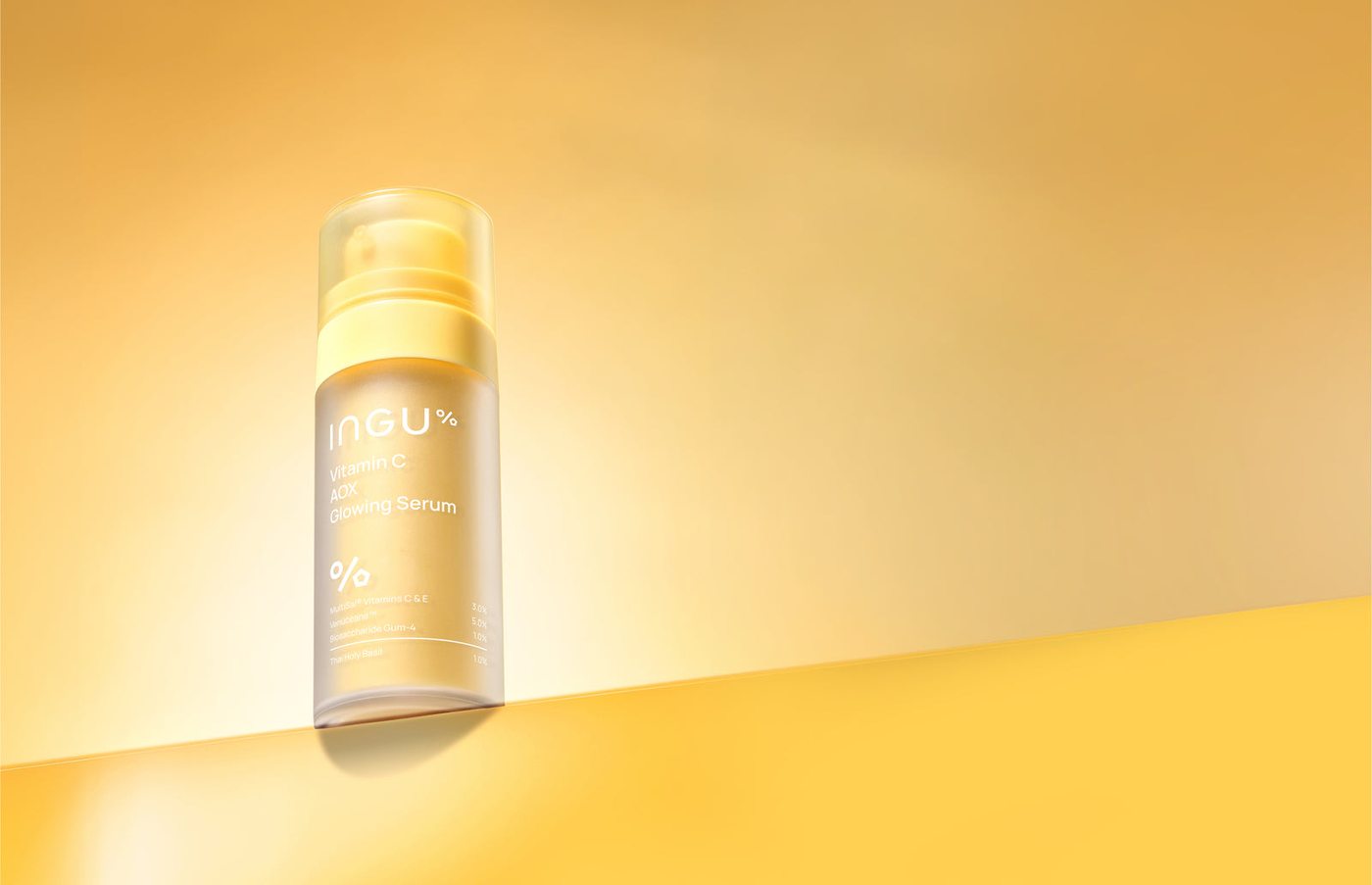
Active ascorbic acid is the most potent form and works immediately, but it’s unstable in light and air and needs an acidic formula to work — which is also why it can conflict with exfoliating actives. Stabilised derivatives are gentler and don’t need that acidic pH, trading a little potency for a lot more shelf stability. Either way, vitamin C is best used in the morning as part of your antioxidant defence against UV — pairing it with vitamin A at night, instead of layering both together, sidesteps the pH conflict entirely.
Niacinamide is a team player, not a hero ingredient
Niacinamide’s effect scales with concentration — roughly 1–2% for oil control, 3–5% for tone and pigmentation, 4–5% for the look of fine lines. It rarely does its best work alone; it’s formulated to support whatever active is doing the primary job in the same product. And more isn’t automatically better: there’s no strong evidence that concentrations above 5% outperform a well-formulated 5%, they just raise the odds of irritation.