Why niacinamide is everywhere
Niacinamide (vitamin B3) shows up in more formulas than almost any other active because it multi-tasks: it supports barrier function, helps even the look of skin tone, and plays well with almost everything else in a routine. That versatility is exactly why it’s easy to misunderstand — the ingredient name on a label tells you almost nothing about what it’s actually doing until you know the percentage behind it.
The concentration curve, not just the ingredient
Niacinamide’s visible effect, and its irritation risk, both scale with concentration. At lower percentages it works quietly in the background, reinforcing the barrier without competing for attention with other actives. Push the percentage up and it starts doing more visible work on tone and texture — but also becomes more likely to sting on sensitive or compromised skin.
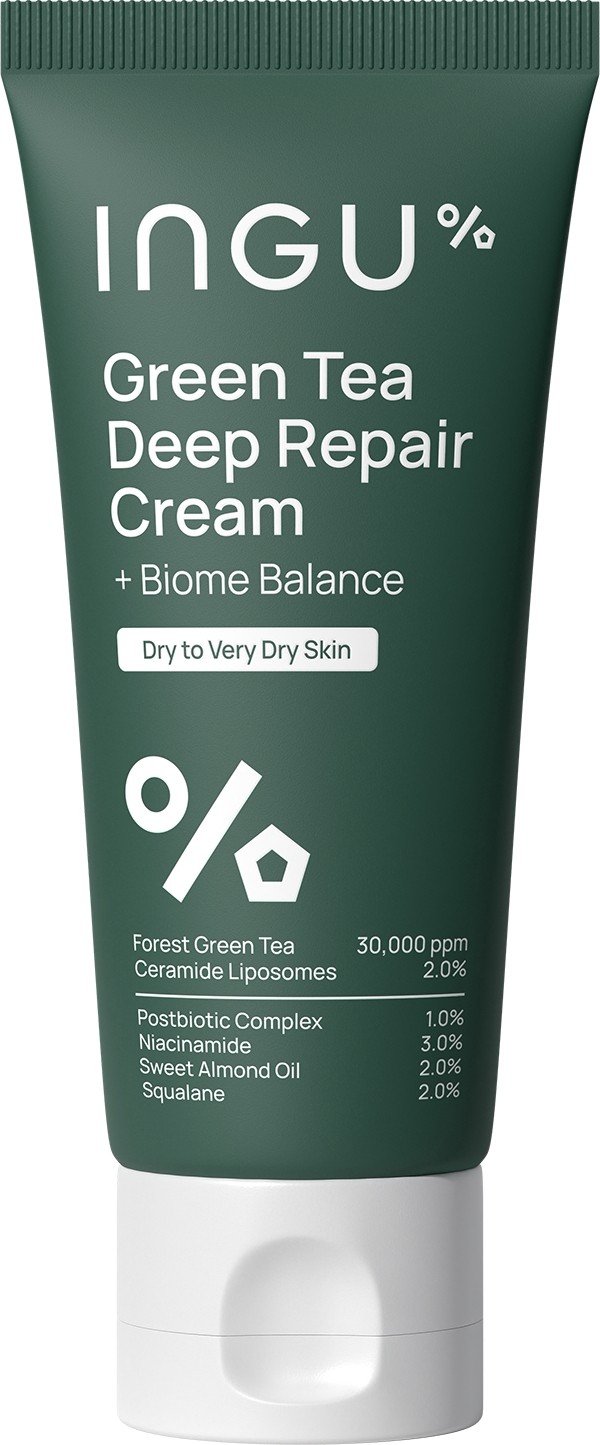
- 1% — Green Tea Deep Repair Cream: a supporting dose that reinforces the skin barrier alongside ceramides, without competing with the richer actives doing the visible repair work.
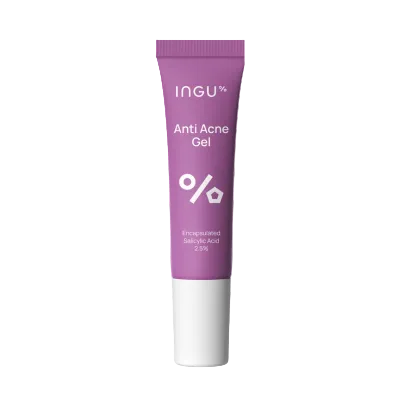
- 3% — Anti Acne Gel: paired with 2.5% encapsulated salicylic acid, this dose helps brighten the look of post-breakout marks while the BHA clears congestion.
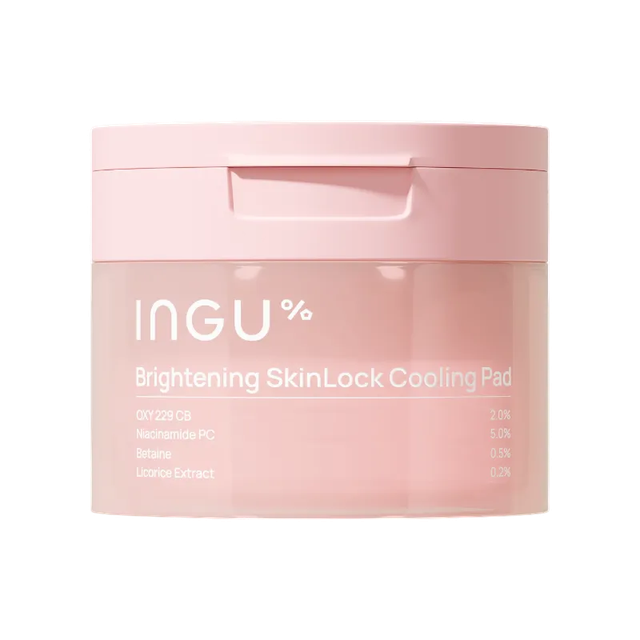
- 5% — Brightening SkinLock Cooling Pad: the highest concentration in the current range, formulated specifically to target the look of dullness and uneven tone.
How to actually use it
If you’re trying a higher-percentage niacinamide step for the first time, patch test first and introduce it on its own — avoid stacking it with other actives that target the same concern in the same routine. And give it real time: like most actives, niacinamide works on a timeline of weeks, not days.