It started with acne, and a lot of conflicting advice
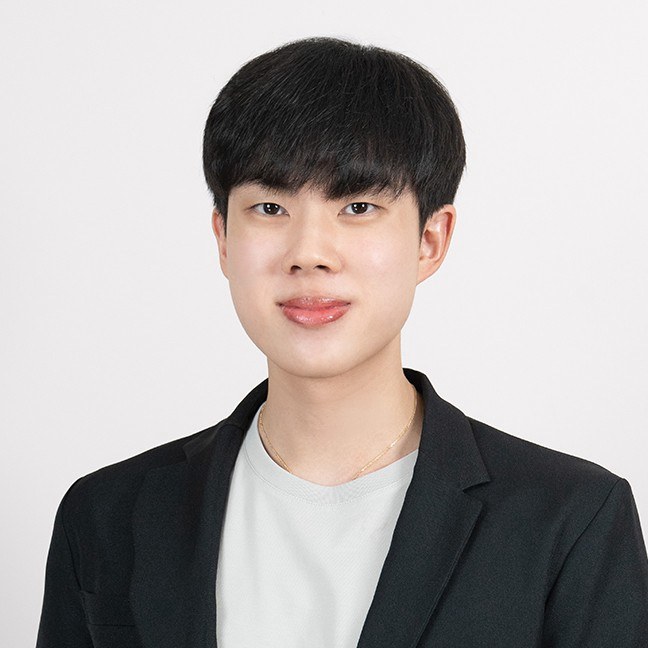
INGU’s founder, Ing, spent years dealing with severe acne and just as many years getting contradictory advice about it — try this toner, layer this sheet mask, add this expensive serum. Using everything at once, with no real understanding of what any of it was doing, made things worse, not better. Nobody around her — herself included, at the time — actually understood her skin type or how to read what was on the back of a bottle.
From frustration to formal training
That experience is what pushed her to study cosmetic chemistry formally and start working in the lab side of her family’s business — a third-generation skincare manufacturer. Studying the actual science behind formulation, rather than just the marketing built on top of it, changed how she read every product on a shelf.
A gap on YouTube
During COVID-19, she noticed a gap in skincare content: reviewers covering texture, scent and before-and-after photos on one side, dermatologists covering the science in language most people couldn’t easily use on the other — and not much in between. That gap became the channel พลิกหลังกล่อง (“Flip The Label”), built around reading ingredient lists, building routines suited to an actual skin type, and questioning marketing claims rather than repeating them — including two recurring, deliberately unsponsored formats: ตรงปกหรือจกตา (“Does It Match The Label, Or Is It A Scam?”), dissecting big brands’ marketing against their actual ingredient lists, and ศึกประชันส่วนผสมสกินแคร์ยอดฮิต, head-to-head comparisons of popular products by percentage and research, with no paid placements.
INGU as the test of that idea
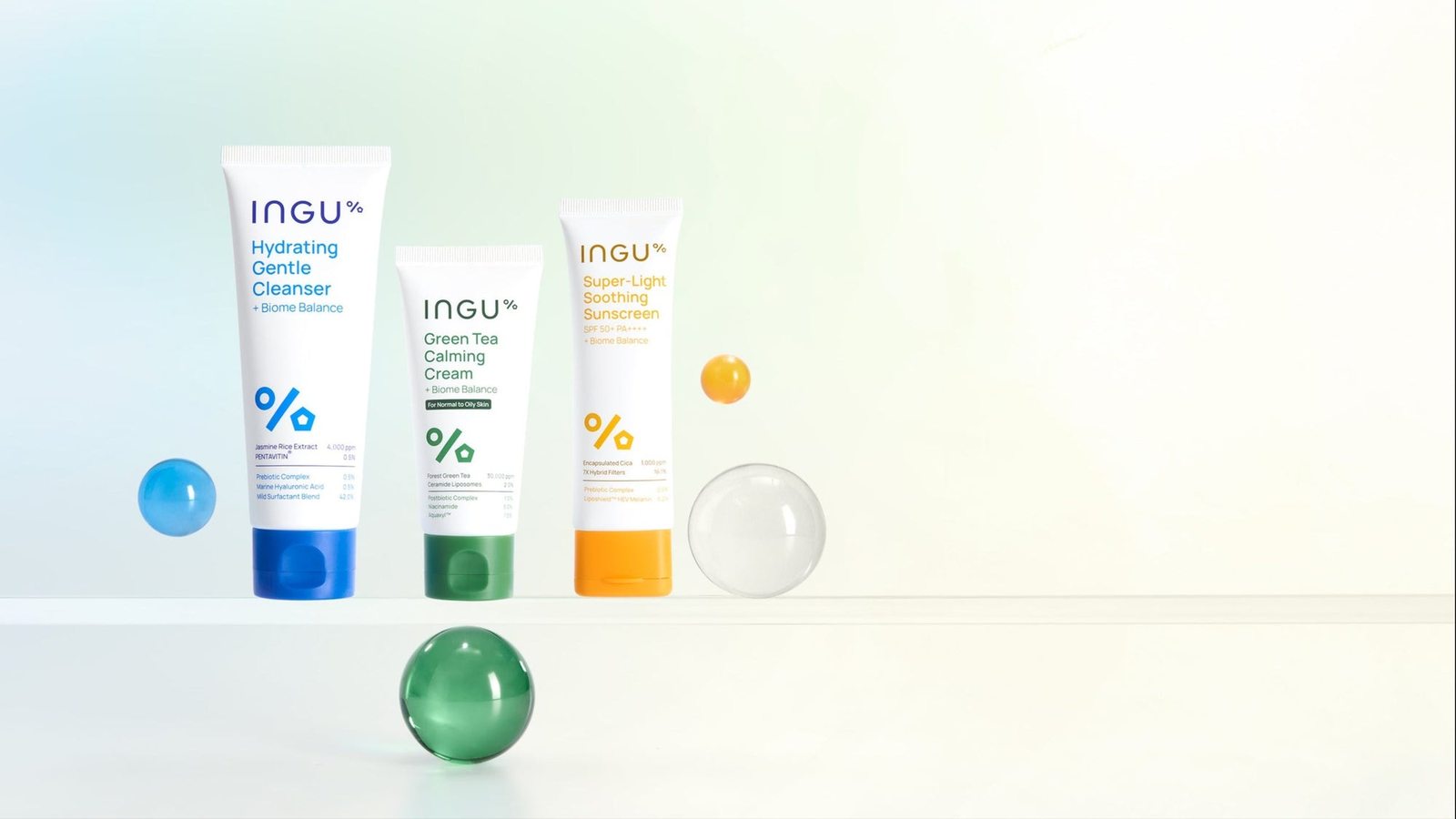
INGU Skin grew out of that channel as something close to a social experiment: could a brand that puts its ingredient list on the front of the box instead of the back, discloses actual active-ingredient percentages, and builds genuinely considered packaging actually hold up against a market that mostly rewards the opposite? Every product decision — what goes in the formula, what goes on the label, what the packaging is made from — gets measured against that starting question.